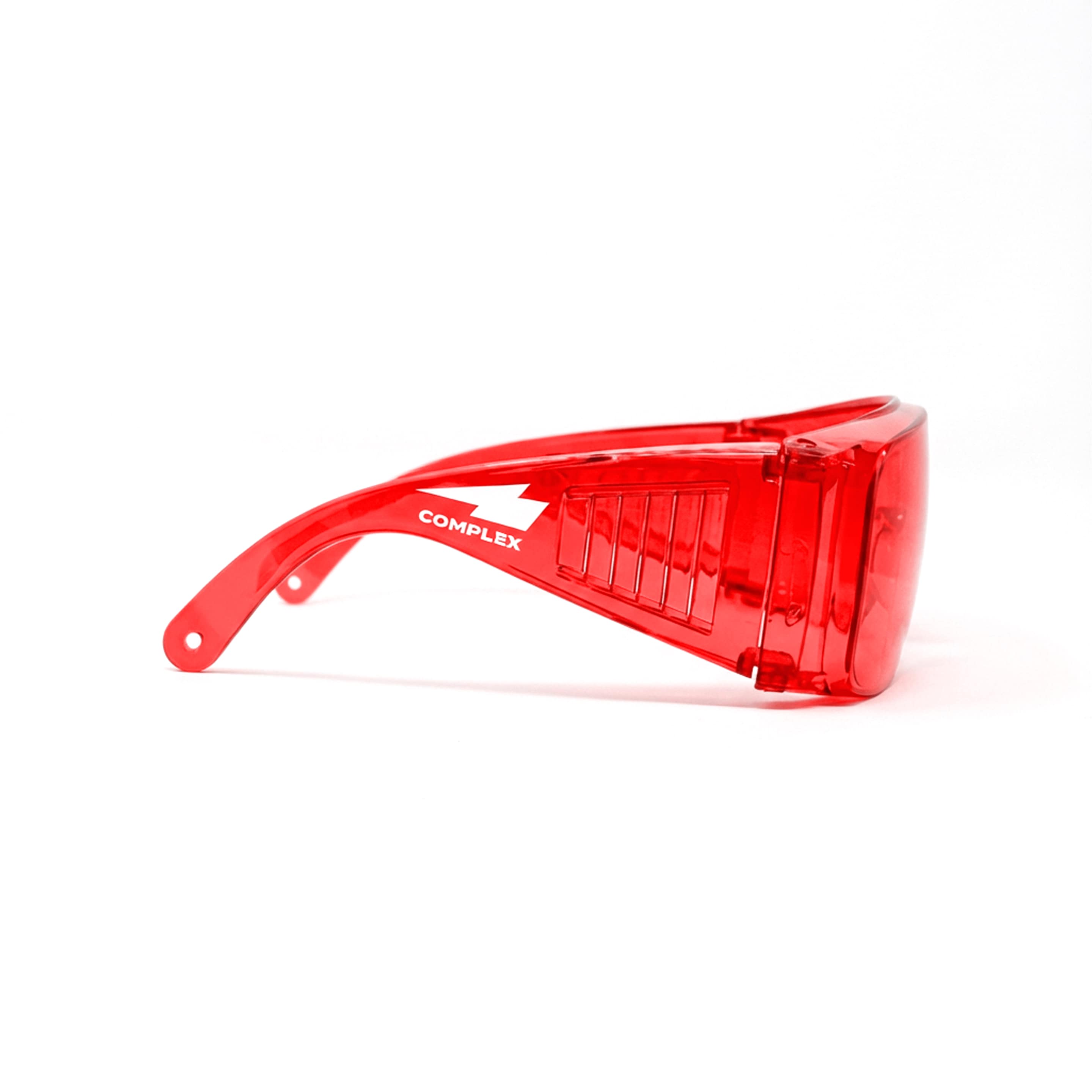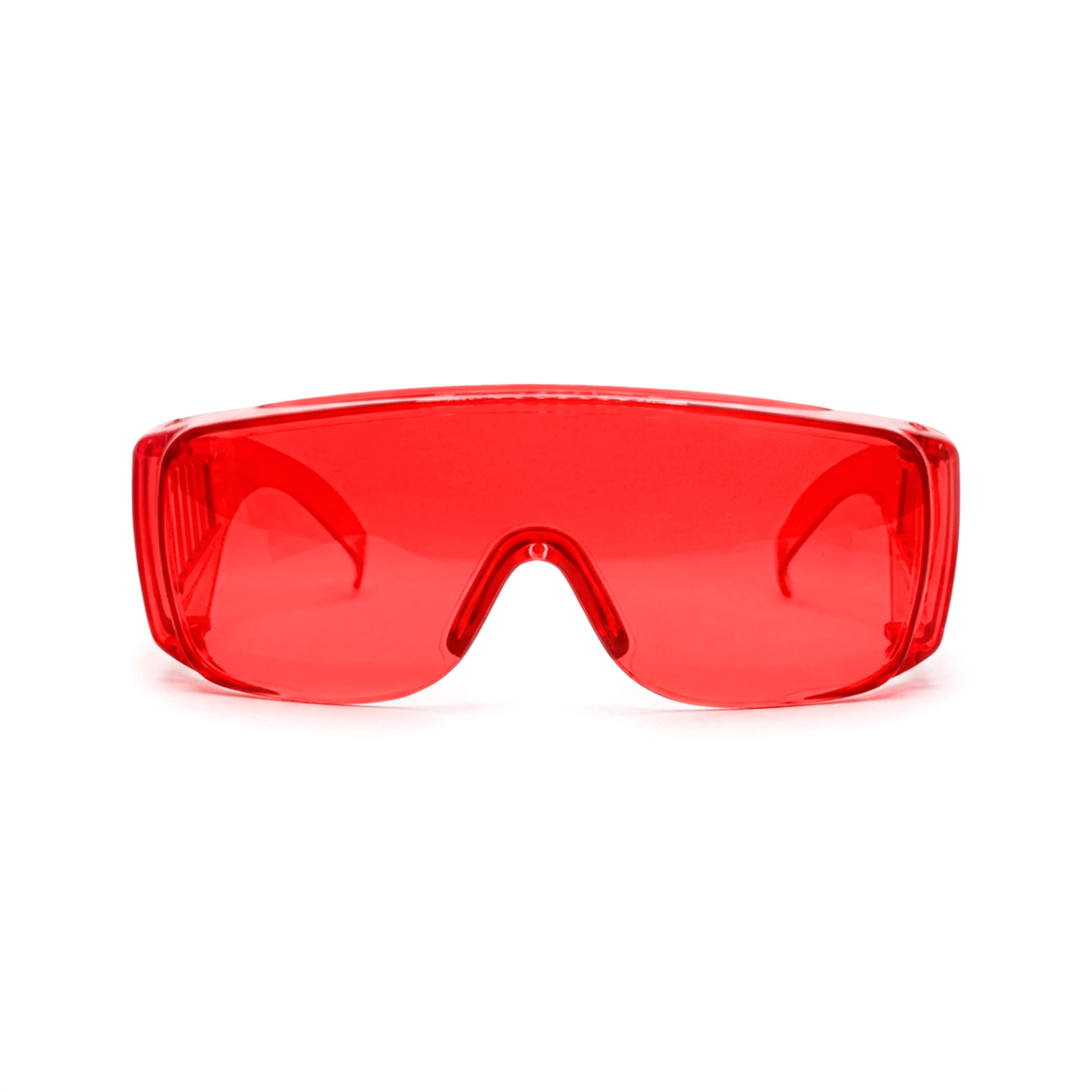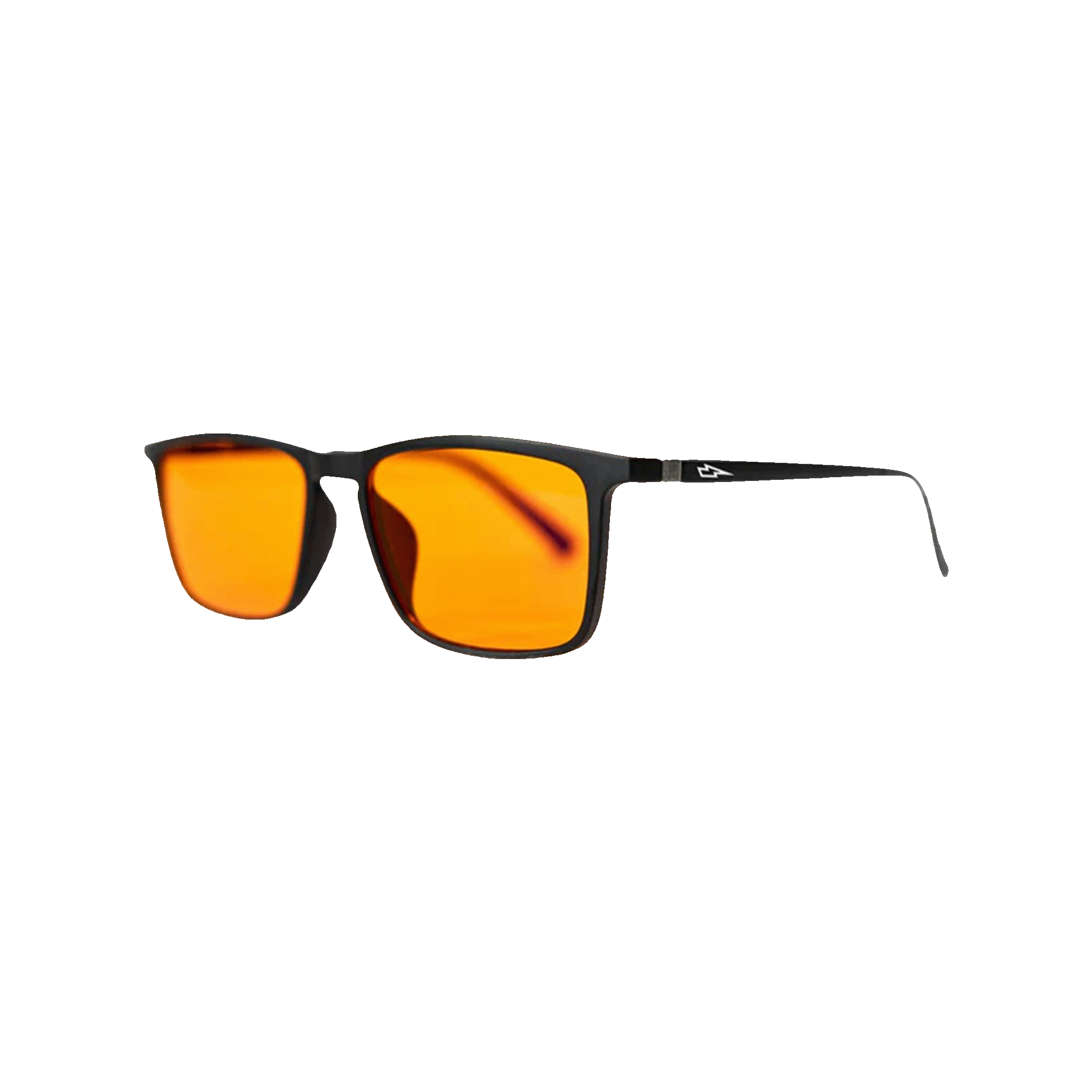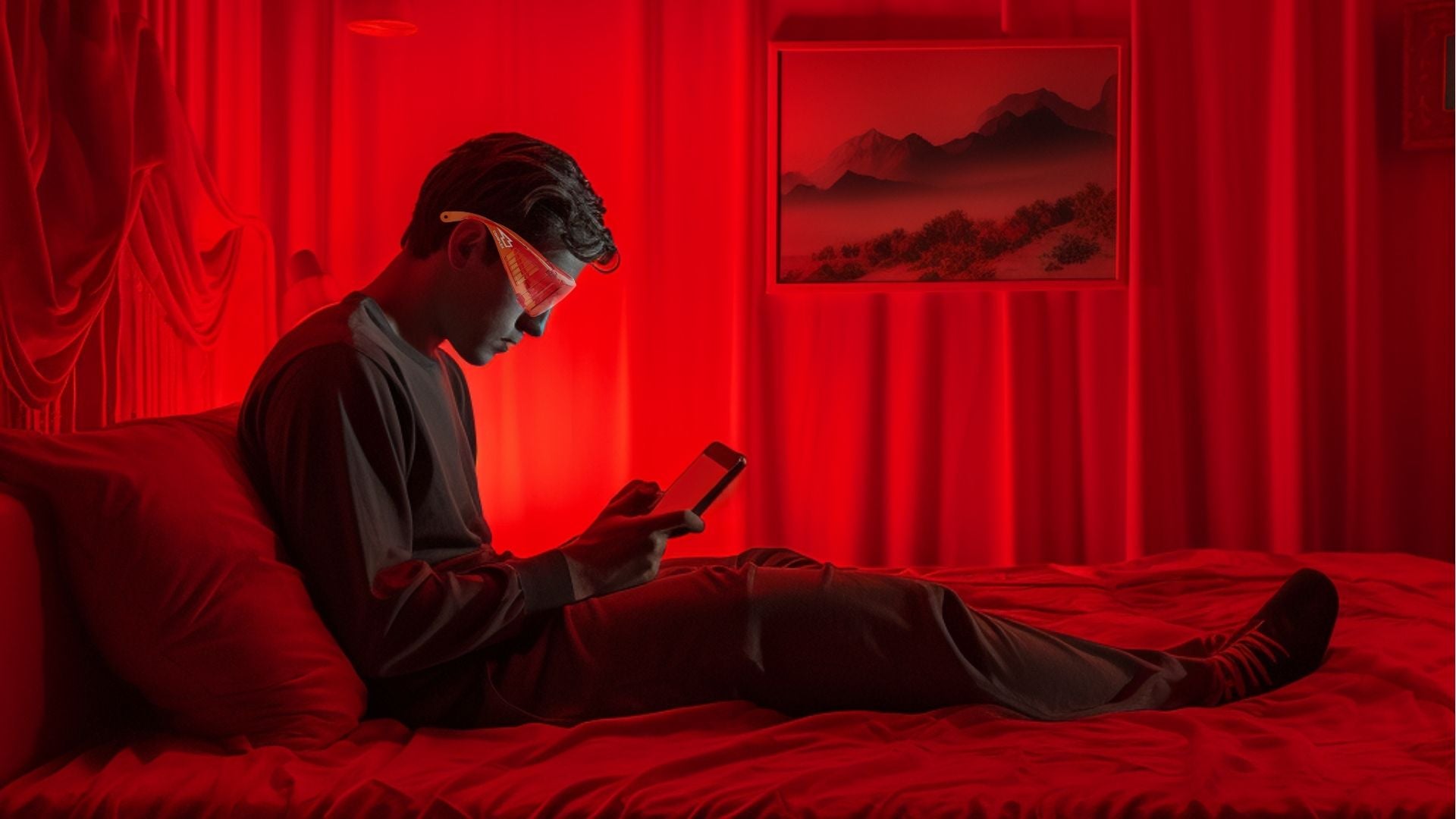
Evening wear of blue-blocking glasses for sleep and mood disorders
A 2021 meta-analysis states that, given the well-known mechanism of action of these glasses and research showing that red blue-light–blocking glasses effectively support sleep quality, the glasses can be recommended to people who have sleep problems.
Department of Psychiatry and Behavioral Sciences, University of Oklahoma
Evening blue light filtration as a part of cognitive behavioral therapy for insomnia
A 2019 study published in Biological Rhythm Research found that combining CBT (cognitive behavioral therapy) with wearing blue-light–blocking glasses is effective in reducing subjective sleep latency and increasing total sleep time.
The Journal of Biological and Medical Rhythm Research
Effect of blue-blocking glasses compared to partial blue-blockers on melatonin
Blue-light–blocking glasses accelerated the onset of melatonin production and increased overall melatonin output.
Department of Biological and Medical Psychology, Faculty of Psychology, University of Bergen
Treatment of insomnia with blue wave length blocking glasses
Blue-light–blocking glasses are a potential treatment for insomnia.
Department of Psychiatry and Behavioral Neurobiology, University of Alabama
Evening use of light-emitting ereaders negatively affects sleep
Evening exposure to blue light emitted by electronic devices (e.g., tablets and smartphones) can negatively affect sleep quality and the circadian rhythm.
Division of Sleep and Circadian Disorders, Departments of Medicine and Neurology, Brigham
Blocking nocturnal blue light for insomnia
Wearing red glasses for 2 hours before bedtime for 1 week improved sleep in individuals with insomnia symptoms compared to wearing clear glasses.
Center for Behavioral Cardiovascular Health, Department of Medicine, Columbia University
Amber Lenses to block blue light and improve sleep
Wearing red blue-light–blocking glasses before bedtime led to improved sleep quality and mood.
The Journal of Biological and Medical Rhythm Research
Effects of pre-bedtime blue-light exposure on ratio of deep sleep in healthy young men
Exposure to blue light one hour before bedtime reduced the amount of deep sleep compared to when participants wore blue-light–blocking glasses.
Department of Occupational Therapy, Yamagata College of Medical Arts & Sciences
The effect of reducing blue light from smartphone screen on subjective quality of sleep
Reducing the amount of blue light from mobile phone screens at night leads to improvements in students’ sleep onset, sleep quality, and daytime functioning.
The Journal of Biological and Medical Rhythm Research
Blue blocker glasses impede the capacity of bright light to suppress melatonin production
A 2006 study states that blue-light–blocking glasses are an elegant way to prevent the blue-light–induced suppression of melatonin production.
Centre de recherche Université Laval Robert-Giffard
Wearing blue light-blocking glasses in the evening advances circadian rhythm
This study suggests that wearing red glasses may be an effective and safe intervention for patients with delayed sleep–wake phase disorder.
The Journal of Biological and Medical Rhythm Research
Blue Blocker Glasses as a Countermeasure for Alerting Effects of Evening Screen Exposure
Compared with clear lenses, blue-light–blocking glasses significantly attenuated the evening LED-light–induced suppression of melatonin production. They also reduced alertness before bedtime.
Centre for Chronobiology, Psychiatric Hospital of the University of Basel
The effects of magnesium supplementation on subjective anxiety
Magnesium may be effective in reducing anxiety in individuals with mild anxiety and premenstrual syndrome.
School of Psychology, University of Leeds, UK
The effect of magnesium supplementation on muscle fitness
Magnesium may improve strength and performance in older adults and people with alcohol dependence, who often suffer from magnesium deficiency.
Key Laboratory of Exercise and Health Sciences of Ministry of Education, Shanghai University of Sport, China
Oral magnesium supplementation for insomnia in older adults
Magnesium may improve muscle mass, respiratory muscle strength, post-exercise recovery, and reduce muscle soreness and inflammation in athletes and patients with various health conditions.
Department of Medicine, Dalhousie University, Halifax, Canada